





The silent invasions
The global increase in temperatures, the reduction in rainfall and the loss of habitat contribute to changing the structure of ecosystems, which tend to no longer be specific to certain animal or plant species, but also adaptable to many others.
In this way, some specimens, which are transported by man voluntarily or accidentally outside their area of origin, can colonize vast new territories. Fortunately, not all alien species are invasive: only those who, in the new introduction area, find the perfect environmental conditions for reproduction become invasive.
Some of the alien species that successfully settle in new areas spread so rapidly that they cause serious damage to native ones and to native ecosystems, due to their strong competitiveness. In some cases, this leads to the complete extinction of native specimens
A huge loss for our green urban areas
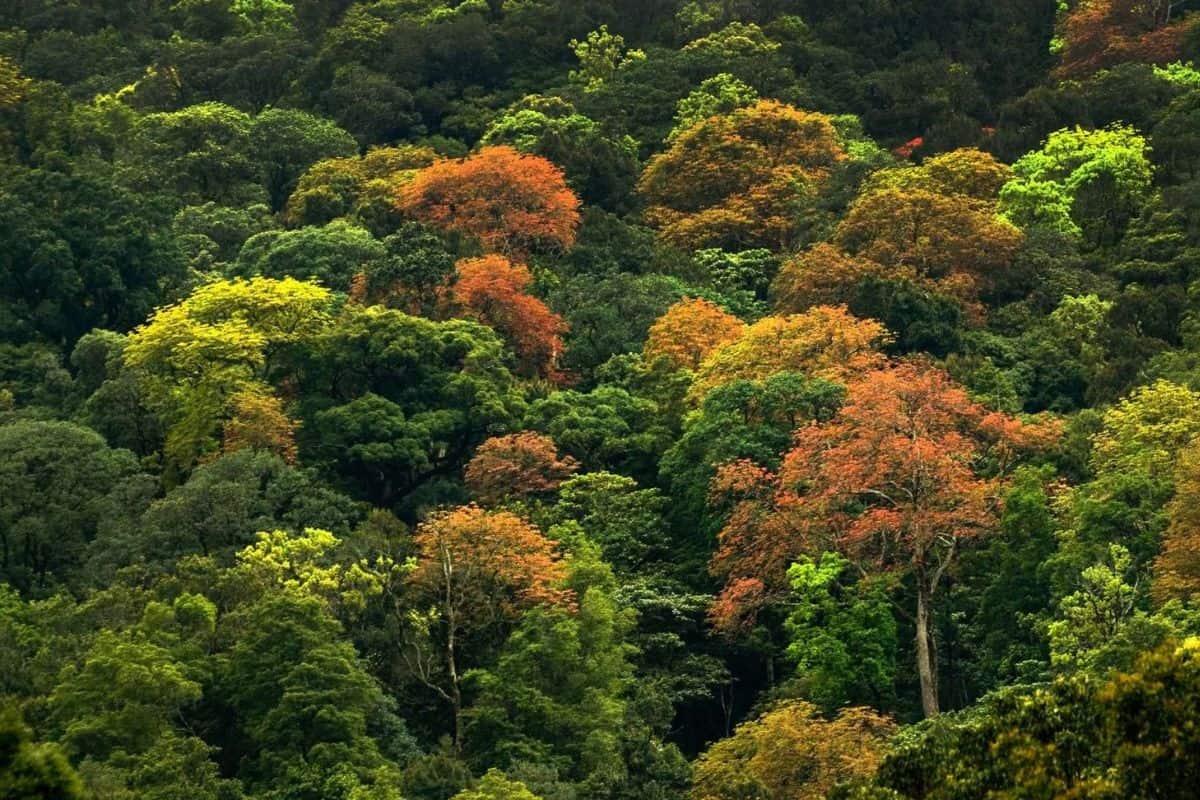
A recent study published in the Journal of Applied Ecology explained how this phenomenon is also intensifying in our urban areas: it is estimated that by 2050, 1.4 million trees in cities will die due to infestations with new alien parasites, such as Agrilus planipennis, famously known as the Emerald Ash Miner.
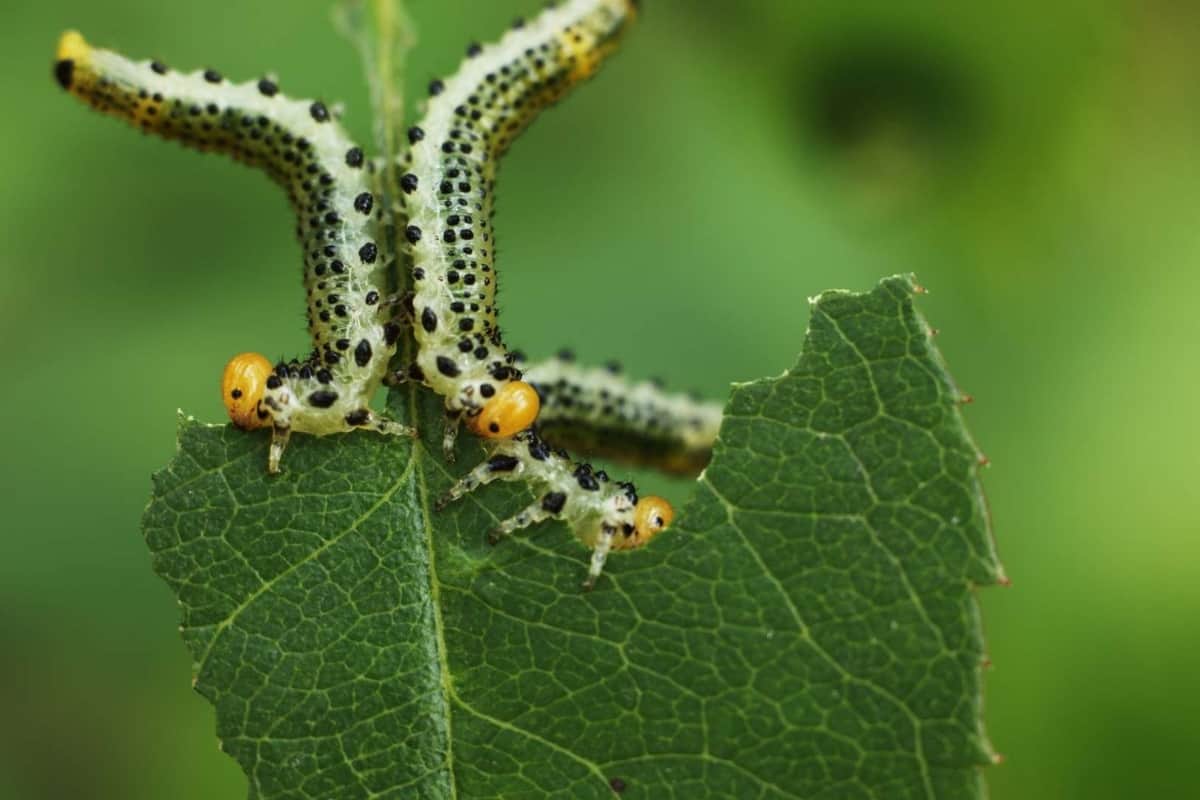
It is a beetle native to Asia and first identified in 2002 in Michigan and its larva settles under the bark of the ash tree by digging tunnels to feed on the wood, leads to the death of the plant. It spreads with the transport of wood and nursery trees and represents 90% of the cause of death of these trees.
Other ornamental trees abundant in the city, such as maple and oak, are also at risk of invasion by new parasites, arriving mainly by ship transport and settled in a climate mitigated by climate changes.

Towards a more sustainable future
Another of the causes responsible for this damage has been attributed to incorrect planting, which ends up putting urban green areas at risk: choosing to plant only one ornamental species can be a bad decision as it will create an undifferentiated ecosystem and a lot sensitive to parasite attacks. Selecting a greater variety of tree species can instead help provide greater resilience against infestations.
Given the easy spread of the parasites, researchers predict that around 100 million shrubs could disappear within the next three decades and the cost of trying to stem this phenomenon is estimated at 30 million dollars a year.
More and more frequently, the environmental choices we have made (or avoided) in the past decades show us harmful consequences, which endanger not only the environment but also human health.
More and more often we try to sensitize the population towards these problems, with the hope that this can change our gaze towards a future of more informed and productive decisions.
Will we really be able to protect the house we live in?